For over long years, we have diligently conducted independent research and product testing. When you make a purchase through our links, we may earn a commission.
Uncover the Adventure of Trekking the National Parks

Created: 1 month ago
14 min Read
Uncover the Adventure of Trekking the National Parks
Ready to uncover the adventure of trekking national parks? Embark on breathtaking journeys in our guide, showcasing top trails, wildlife encounters, and nature's wonders. Discover the thrill of outdoor exploration and start planning your next expedition today!
When it comes to trekking, national parks offer some of the most stunning landscapes and diverse wildlife encounters. Here are some of the best national parks around the world that are perfect for trekking adventures:
-
Yosemite National Park 🏞️
Located in California, Yosemite National Park boasts an array of picturesque trails that cater to hikers of all skill levels. From the iconic Half Dome to the awe-inspiring Yosemite Falls, this park is a must-visit for any outdoor enthusiast. -
Torres del Paine National Park 🗻
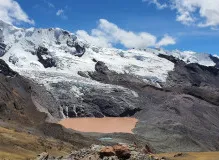
Situated in the Patagonian region of Chile, Torres del Paine National Park is a trekking paradise. With its granite peaks, glaciers, and turquoise lakes, this UNESCO Biosphere Reserve offers a range of trails, including the famous W Trek and the challenging circuit known as the O Trek. -
Rocky Mountain National Park 🌲
Nestled in Colorado's Rocky Mountains, this national park showcases breathtaking alpine scenery and a network of well-maintained trails. From leisurely strolls to challenging hikes, visitors can explore lush meadows, alpine lakes, and towering peaks such as Longs Peak. -
Kilimanjaro National Park 🌍
For the ultimate trekking adventure, head to Kilimanjaro National Park in Tanzania. Mount Kilimanjaro, the highest peak in Africa, attracts climbers from around the globe. Various climbing routes cater to different skill levels, allowing you to experience the thrill of summiting this iconic mountain. -
Banff National Park 🏔️
Located in the Canadian Rockies, Banff National Park is renowned for its stunning landscapes and abundant wildlife. With its vast network of trails, you can explore magnificent glaciers, turquoise lakes, and towering peaks. Don't miss hiking to Lake Louise and the gorgeous Moraine Lake.
Each of these national parks offers a unique and unforgettable trekking experience. Whether you're a beginner or an experienced hiker, there's something for everyone. So grab your boots, pack your backpack, and get ready to immerse yourself in the adventure of trekking these incredible destinations. 🥾✨
When it comes to trekking in national parks, having the right gear is essential to ensure a safe and enjoyable experience. Here are some must-have items to include in your pack:
-
Hiking Boots 🥾
Invest in a pair of sturdy hiking boots that provide ankle support and have a good grip. Look for boots that are waterproof and breathable to keep your feet comfortable on long hikes. -
Backpack 🎒
Choose a backpack that can comfortably carry all your essential gear. Look for one with adjustable straps and multiple compartments to help distribute the weight evenly and keep everything organized. -
Map and Compass 🗺️
While many national parks have marked trails, it's always a good idea to carry a map and compass as a backup. Familiarize yourself with the route beforehand and know how to use these navigation tools. -
Water Bottle and Purifier 💧
Staying hydrated is crucial when trekking, so carry a durable water bottle and consider a water purifier for refilling along the way. This will help you avoid relying solely on water sources that may not be safe to drink. -
Layers of Clothing 👕🧥
Dress in layers to prepare for changing weather conditions. Start with a moisture-wicking base layer, add insulating layers, and top it off with a waterproof and wind-resistant outer layer to stay comfortable in any climate. -
Snacks and Energy Bars 🍎🌰
Fuel your body with nutritious snacks and energy bars to maintain energy levels during your trek. Choose lightweight options that are high in protein and provide a mix of carbohydrates and healthy fats. -
First Aid Kit 🩹
Be prepared for minor injuries and emergencies by carrying a compact first aid kit. It should include adhesive bandages, antiseptic wipes, pain relievers, blister treatment, and any personal medications you may need. -
Headlamp or Flashlight 🔦
A reliable light source is essential, especially if you plan on hiking during early morning or late evening hours. Choose a headlamp or flashlight that is lightweight, durable, and has long battery life. -
Sun Protection ☀️🕶️
Protect your skin and eyes from the sun's harmful rays with sunglasses, sunscreen, and a wide-brimmed hat. Opt for sunscreen with a high SPF and choose sunglasses that provide UV protection. -
Emergency Whistle and Personal Locator Beacon 📣🔦
In case of emergencies, carry an emergency whistle to signal for help, and consider a personal locator beacon for remote areas where cell phone service may be unavailable.
By ensuring you have these essential gear items with you, you'll be well-prepared for your trekking adventure in national parks. Remember to pack wisely, check the weather forecast, and always practice Leave No Trace principles to help preserve the natural beauty for future visitors. Happy trekking! 🏞️🥾✨
Planning a trekking trip to national parks requires careful preparation and consideration. Here are some essential steps to help you plan your adventure:
-
Choose Your Destination 🌍
Research different national parks and their trekking trails to find one that suits your preferences and skill level. Consider factors such as scenery, difficulty level, wildlife encounters, and weather conditions. -
Decide on the Duration ⏰
Determine how long you want to spend on your trekking trip. This will depend on the length of the trail you choose, the time you have available, and your fitness level. -
Plan Your Route 🗺️
Once you have chosen a national park, study the trail maps and plan your route. Take note of the distance, elevation gain, and any specific landmarks or points of interest along the way. -
Check Permit and Reservation Requirements 🔐
Some national parks require permits or reservations for certain trekking trails. Make sure to check if you need to obtain any permits in advance and make the necessary reservations. -
Consider the Season 🌤️🌨️
Take into account the weather and seasonal conditions of the national park you plan to visit. Some trails may be inaccessible or more challenging during certain seasons. Pack appropriate clothing and gear accordingly. -
Pack the Essentials 🎒
Refer to the previous section on essential gear and make a checklist of items to pack. Remember to pack light but include all the necessary equipment, clothing, food, and water for your trek. -
Research Accommodation Options 🏕️🏨
If your trekking trip requires multiple days or overnight stays, research the available accommodation options. National parks may have camping grounds, lodges, or nearby hotels where you can stay. -
Prepare Your Fitness Level 💪
Trekking can be physically demanding, so it's important to prepare your fitness level before embarking on your trip. Build your endurance, strength, and stamina through regular exercise and practice hiking with a loaded backpack. -
Inform Others of Your Plans 📞👥
For safety reasons, inform a trusted friend or family member about your trekking plans. Share your itinerary, expected duration, and emergency contact information. Check-in with them regularly during your trip. -
Follow Safety Guidelines 🚧
Prioritize your safety while trekking. Familiarize yourself with safety guidelines specific to the national park you're visiting. Be aware of wildlife encounters, weather changes, and exercise caution on steep or challenging sections of the trail. -
Leave No Trace ♻️
Respect the environment and practice Leave No Trace principles. Minimize your impact on the natural surroundings, dispose of waste properly, and stay on designated trails to preserve the beauty of the national park.
Planning a trekking trip to a national park can be exciting and rewarding. Follow these steps, be well-prepared, and embrace the adventure that awaits you in the great outdoors! 🌲🥾✨
When embarking on a trekking adventure in national parks, it's important to prioritize safety and ensure an enjoyable experience. Here are some top tips to keep in mind:
-
Research and Plan Ahead 🌍
Before setting off on your trek, research the national park, trail conditions, weather forecasts, and any necessary permits or rules. Plan your itinerary and familiarize yourself with the trail maps to avoid getting lost. -
Check the Weather 🌤️🌧️
Keep a close eye on the weather forecast leading up to your trek. Be prepared for changing weather conditions and pack appropriate clothing, gear, and equipment accordingly. Avoid trekking during extreme weather events. -
Inform Someone of Your Plans 📞👥
Before heading out, let a trusted friend, family member, or park ranger know about your trekking plans. Share your expected duration, route, and an estimated return time. Check in with them once you have completed your trek. -
Stay on Designated Trails 🚧
National parks have designated trails for a reason. Stick to these marked paths to avoid getting lost or causing harm to delicate ecosystems. Off-trail hiking can damage vegetation and disturb wildlife habitats. -
Pack Essential Gear 🎒
Ensure you have the necessary gear and equipment for your trek. This may include a map and compass, headlamp or flashlight, first aid kit, extra clothing layers, sufficient food and water, and any specialized hiking or camping gear. -
Stay Hydrated and Fueled 💧🍽️
Drink plenty of water to stay hydrated throughout your trek. Carry a water bottle or water bladder and refill it when necessary. Additionally, pack energy-rich snacks and meals to maintain energy levels during the hike. -
Practice Leave No Trace Principles ♻️
Respect the natural environment and leave no trace of your presence. Dispose of waste properly in designated bins or pack out what you bring in. Minimize disturbances to wildlife and avoid picking or damaging plants. -
Be Aware of Wildlife 🦌🐻
National parks are home to diverse wildlife, and encounters can be exciting but potentially dangerous. Keep a safe distance from animals, never feed them, and secure your food properly to avoid attracting wildlife to your campsite. -
Stay Aware of Your Surroundings 👀
Stay alert and aware of your surroundings while trekking. Watch out for potential hazards such as steep drops, loose rocks, or slippery terrain. Be cautious of changing weather conditions and adjust your plans accordingly. -
Listen to Your Body 💪
Pay attention to how your body feels during the trek. Take breaks when needed and pace yourself. If you experience any signs of fatigue, dizziness, or illness, it's essential to rest or seek medical attention if necessary. -
Respect Park Rules and Regulations 🚫
Follow all park rules and regulations to ensure the safety and preservation of the national park. This includes respecting designated camping areas, not disturbing wildlife, and adhering to any fire restrictions or hiking guidelines.
By following these top tips, you can have a safe and enjoyable trekking experience in national parks. Remember to be well-prepared, respect the environment, and embrace the adventure that awaits you! 🥾✨
When trekking in national parks, you have the unique opportunity to explore and discover the rich flora and fauna that inhabit these pristine environments. Here are some of the remarkable plants and animals you might encounter during your trekking adventure:
-
Flora: National parks are home to a diverse range of plant species, each contributing to the park's unique ecosystem. From towering trees to delicate wildflowers, here are some notable flora you may come across:
-
Sequoiadendron giganteum: Found in Yosemite National Park, these giant sequoia trees are some of the largest and oldest living organisms on Earth. Marvel at their immense size and appreciate their importance in the park's ecosystem.
-
Puya raimondii: In Torres del Paine National Park, keep an eye out for this stunning bromeliad known as the Queen of the Andes. With its towering inflorescence and massive rosette of leaves, it's a sight to behold.
-
Engelmann Spruce: Rocky Mountain National Park is known for its coniferous forests, and the Engelmann Spruce is a prominent tree species found here. Its blue-green needles and tall stature add to the park's natural beauty.
-
Senecio keniodendron: Kilimanjaro National Park is renowned for its unique and endemic plant species. The Senecio keniodendron, also known as the giant groundsel, thrives in the higher elevations of Mount Kilimanjaro, adding a touch of charm to the rugged landscape.
-
Subalpine Fir: Banff National Park boasts a variety of tree species, including the subalpine fir. These evergreen trees can survive harsh winters and can be found in higher elevations, adding a touch of green to the alpine scenery.
Take a moment to appreciate the beauty and diversity of these plants as you trek through national parks. Remember to refrain from picking or damaging any vegetation to preserve the fragile ecosystem.
-
-
Fauna: National parks are havens for wildlife, providing protected habitats for a wide range of animals. Keep your eyes peeled for these incredible creatures during your trekking adventure:
-
Black Bears: Yosemite National Park is home to a population of black bears. These majestic animals are often spotted foraging for food or climbing trees. Stay at a safe distance and follow park guidelines to observe them responsibly.
-
Andean Condor: In Torres del Paine National Park, you might catch a glimpse of the magnificent Andean condor soaring gracefully across the sky. With its expansive wingspan, it's a truly awe-inspiring sight.
-
Elk: Rocky Mountain National Park is known for its abundant elk population. These majestic herbivores can often be seen grazing in meadows or crossing mountain streams. Admire their grace and be sure to maintain a safe distance.
-
Colobus Monkeys: If you're lucky, you may encounter groups of colobus monkeys in Kilimanjaro National Park. With their striking black and white fur, these arboreal primates add a touch of playfulness to the mountainous landscape.
-
Rocky Mountain Bighorn Sheep: Banff National Park is home to the iconic Rocky Mountain bighorn sheep. Keep an eye out for these sure-footed animals as they navigate steep slopes and graze
Trekking in national parks requires physical endurance and preparation to fully enjoy the experience. Here are some fitness and training tips to help you prepare for your trekking adventure:
-
-
Cardiovascular Exercise: Trekking in national parks often involves long hikes and steep inclines. To improve your cardiovascular fitness, engage in activities such as running, cycling, or swimming. Aim for at least 150 minutes of moderate-intensity aerobic exercise per week.
-
Strength Training: Building strength in your legs, core, and upper body is crucial for tackling the challenging terrains of national parks. Incorporate exercises like squats, lunges, planks, and push-ups into your fitness routine to improve your overall strength and stability.
-
Endurance Training: Trekking can be physically demanding, especially if you plan on multi-day hikes. Gradually increase the duration and intensity of your workouts to improve your endurance. Consider incorporating longer hikes or carrying a loaded backpack during your training sessions.
-
Balance and Stability Exercises: National park trails often feature uneven surfaces and rocky terrain. Enhance your balance and stability by practicing exercises such as yoga, tai chi, or single-leg balance exercises. This will help you navigate the trails with confidence and reduce the risk of falls or injuries.
-
Flexibility Training: Maintain flexibility to avoid muscle stiffness and reduce the risk of strains or sprains on the trail. Incorporate regular stretching exercises into your fitness routine, focusing on your legs, hips, back, and shoulders.
-
Practice Hiking: Nothing beats training like the real thing. Gradually increase the distance and difficulty of your hikes to prepare your body for the demands of trekking. Start with shorter hikes and gradually work your way up to longer, more challenging trails.
-
Altitude Acclimatization: If you plan to trek in high-altitude national parks, such as Kilimanjaro National Park, consider incorporating altitude training into your preparation. This may involve spending time at higher elevations or using altitude simulation devices to help your body adjust to reduced oxygen levels.
-
Hydration and Nutrition: Proper hydration and nutrition are essential for maintaining energy levels and preventing fatigue during your trek. Stay hydrated by drinking plenty of water and electrolyte-rich beverages, and fuel your body with balanced meals and snacks that provide sustained energy.
-
Mental Preparation: Trekking in national parks can be mentally challenging, especially during long and strenuous hikes. Develop mental resilience by practicing mindfulness, visualization, and positive self-talk. Set realistic goals and remind yourself of the rewards of completing your trek.
-
Gradual Progression: It's important to gradually increase the intensity and duration of your training to avoid overexertion or injuries. Listen to your body and allow for rest and recovery days to ensure your muscles and joints have time to repair and strengthen.
By incorporating these fitness and training tips into your routine, you'll be well-prepared for your trekking adventure in national parks. Remember to consult with a healthcare professional before starting any new exercise program, especially if you have any underlying medical conditions. Enjoy the thrill and beauty of trekking while staying fit and prepared! 🏞️🥾✨
Content You May Be Interested In
 Productivity

 Productivity
 Productivity
 Productivity
 Productivity
 Productivity


 Productivity






 Productivity