For over long years, we have diligently conducted independent research and product testing. When you make a purchase through our links, we may earn a commission.
Discover the Ultimate Guide to Trekking National Parks - Uncover Breathtaking Adventures

Created: 2 weeks ago
20 min Read
Introduction
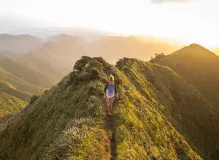
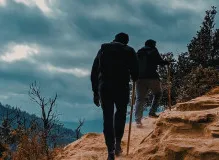
Are you ready to embark on an adventure of a lifetime? Look no further than trekking the national parks! 🌲⛰️ Whether you're an avid hiker or simply a nature lover, exploring the beauty and wonders of national parks through trekking is an experience like no other. In this blog, we will delve into the world of trekking national parks, guiding you on the best routes, essential tips, and unforgettable sights to embrace the great outdoors.
Exploring the National Parks
Trekking through national parks offers a unique opportunity to immerse yourself in nature's grandeur while challenging your physical limits. From the breathtaking landscapes of Yosemite and Yellowstone to the lush forests of the Great Smoky Mountains, each national park showcases its distinctive features and ecological diversity.
Why Choose Trekking?
Trekking national parks allows you to dive deeper into the heart of these natural wonders, connecting with the environment on a more profound level. Unlike a casual stroll, trekking offers a more immersive and challenging experience, taking you off the beaten path to discover hidden gems and panoramic vistas that few have seen before.
Essential Tips for an Unforgettable Trekking Experience
-
👉Plan Ahead: Research and choose the appropriate national park, considering factors such as weather conditions, trail difficulty, and permit requirements.
-
👉Pack Smart: Pack lightweight but essential gear including proper hiking shoes, a sturdy backpack, ample water and snacks, navigation tools, and clothing suitable for varying weather conditions. Don't forget your camera to capture the awe-inspiring moments!
-
👉Follow Safety Guidelines: Before setting off on your trek, familiarize yourself with the park's safety guidelines, including wildlife encounters, trail etiquette, and emergency protocols.
-
👉Stay Hydrated and Nourished: Carry sufficient water and replenish your energy with nutritious snacks to keep yourself fueled throughout the trek.
-
👉Leave No Trace: Respect nature and practice Leave No Trace principles by disposing of waste properly and leaving the environment as you found it.
Enjoy the Enchanting Natural Beauty
As you embark on your trekking adventure, be prepared to be mesmerized by the captivating beauty of national parks. From crystal-clear lakes and majestic waterfalls to towering mountains and ancient forests, every step you take will reveal nature's awe-inspiring creations.
| National Park | Key Features | Best Time to Visit |
|---|---|---|
| Yosemite | Iconic granite cliffs, waterfalls, ancient sequoias | Spring, Fall |
| Yellowstone | Geothermal wonders, wildlife sightings | Summer |
| Great Smoky Mts. | Vibrant foliage, diverse wildlife | Fall |
Final Thoughts
Trekking national parks is a remarkable way to escape the hustle and bustle of daily life and reconnect with the natural world. The beauty, tranquility, and sense of accomplishment that come with exploring these majestic landscapes are truly unmatched. So pack your bags, lace up your boots, and set out on a journey to trek the national parks - an adventure that will leave you with memories to cherish for a lifetime. 🏞️🥾
Choosing the Perfect National Park for Your Trekking Adventure
When it comes to trekking national parks, selecting the right destination sets the stage for an unforgettable adventure. Each national park offers its own unique landscapes and attractions, catering to different preferences and skill levels. To ensure you have the best trekking experience, here are a few top national parks to consider:
-
Yosemite National Park: Known for its iconic granite cliffs, towering waterfalls, and ancient sequoias, Yosemite National Park is a trekker's paradise. Hike to the summit of Half Dome for breathtaking views or explore the famous Tuolumne Meadows. Spring and fall are the best times to visit, avoiding both the winter snow and summer crowds.
-
Yellowstone National Park: As the world's first national park, Yellowstone is a true natural wonder. Encompassing geothermal features like the famous Old Faithful geyser, scenic trails along the Grand Canyon of the Yellowstone, and wildlife sightings such as bears and wolves, it offers a diverse range of trekking opportunities. Summer is the prime time to explore Yellowstone's trails when the weather is milder and wildlife is more active.
-
Great Smoky Mountains National Park: Spanning across Tennessee and North Carolina, the Great Smoky Mountains National Park is renowned for its vibrant foliage, ancient mountains, and abundant wildlife. With over 800 miles of trails, trekking enthusiasts can choose from relaxing walks to challenging hikes. Fall is the best time to visit, as the park explodes in a breathtaking display of autumn colors.
-
Zion National Park: Situated in southwestern Utah, Zion National Park features dramatic sandstone cliffs, narrow canyons, and stunning desert landscapes. Its most popular trek, the Zion Narrows, takes adventurers through the Virgin River, surrounded by towering walls of sandstone. Spring and fall offer pleasant temperatures, but be sure to check for flash flood alerts before embarking on any narrow canyon treks.
No matter which national park you choose, embarking on a trekking adventure will allow you to connect with nature, challenge yourself physically, and soak in the awe-inspiring beauty of these natural wonders. Remember to plan ahead, pack smart, and follow safety guidelines to make the most of your experience. The national parks await your exploration! 🌲⛰️
Essential Gear for Trekking in National Parks
When embarking on a trekking adventure in national parks, it's vital to have the right gear to ensure your safety and comfort throughout the journey. Here are some essential items you should pack:
1. Hiking Shoes: Invest in a sturdy pair of hiking shoes or boots with good ankle support and traction. This will provide stability and protect your feet from rough terrain.
2. Backpack: Choose a lightweight backpack with enough capacity to carry your essentials, including water, snacks, extra clothing layers, a first aid kit, and navigation tools like a map and compass.
3. Water and Hydration System: Stay hydrated on the trails by carrying an adequate supply of water. Consider using a hydration system like a bladder or water bottle with a built-in filter for convenience.
4. Layered Clothing: Dress in layers to adapt to changing weather conditions. Start with a moisture-wicking base layer, add insulating layers such as a fleece or down jacket, and top it off with a waterproof and breathable outer shell.
5. Navigation Tools: Carry a map and compass or a GPS device to stay on track and navigate your way through the park's trails. Familiarize yourself with the route before starting the trek.
6. Snacks and Food: Pack lightweight, energy-rich snacks like trail mix, energy bars, and fruits to keep your energy levels up during the trek. Don't forget to carry a packed lunch for longer hikes.
7. First Aid Kit: Be prepared for minor injuries by carrying a basic first aid kit that includes band-aids, pain relievers, blister care, and any necessary medications.
8. Other Essentials: Remember to bring other trekking essentials like a headlamp or flashlight, a multi-tool, sunscreen, insect repellent, and a lightweight camping stove if you plan on overnight treks.
Safety Precautions for Trekking in National Parks
While trekking in national parks can be an incredible experience, it's crucial to prioritize safety. Here are some essential safety precautions to follow:
1. Research and Planning: Before your trek, research the park's rules and regulations, trail conditions, and weather forecasts. Plan your route accordingly and inform someone about your itinerary.
2. Stay on Designated Trails: Stick to the marked trails and respect any closures or restrictions. Venturing off-trail can be dangerous and harm fragile ecosystems.
3. Check the Weather: Monitor the weather conditions before and during your trek. Be prepared for changing weather and avoid treks during extreme weather events.
4. Wildlife Awareness: Keep a safe distance from wildlife and never approach or feed them. Learn about the wildlife in the park and how to respond if you encounter them on the trails.
5. Hydration and Nutrition: Stay hydrated by drinking water regularly, especially in hot and dry conditions. Snack on energy-rich foods to maintain your energy levels throughout the trek.
6. Leave No Trace: Respect the environment by following Leave No Trace principles. Dispose of waste properly, minimize campfire impacts, and leave the natural surroundings as you found them.
7. Emergency Preparedness: Carry a whistle, a mobile phone with a fully charged battery, and a portable charger for emergencies. Familiarize yourself with emergency protocols and know the location of the nearest ranger station or emergency services.
By following these essential gear tips and safety precautions, you can have a safe and enjoyable trekking experience in national parks. Remember, preparation and responsible trekking are key to creating unforgettable memories while keeping yourself and the environment protected.
Planning Your Trekking Adventure
When it comes to trekking the national parks, careful planning is key to ensure a successful and enjoyable experience. Here are some essential steps to help you map out your route and make the most of your adventure.
1. Research Your National Park Options
With numerous national parks to choose from, it's important to select the one that best suits your preferences and abilities. Consider factors such as trail difficulty, terrain, climate, and the specific features that each park offers. Whether you're attracted to the towering granite cliffs of Yosemite or the geothermal wonders of Yellowstone, each park offers a unique trekking experience.
2. Determine the Best Time to Visit
Timing is crucial when planning a trekking trip. Research the best seasons or months to visit your chosen national park. Avoid peak tourist seasons if possible, as trails may be crowded. Opting for spring and fall often ensures pleasant weather conditions and fewer crowds, allowing you to fully immerse yourself in the beauty of nature.
3. Plan Your Route
Once you've chosen a national park and decided on the optimal time for your visit, it's time to plan your route. Study the park's trail maps and identify the trails that align with your trekking goals and skill level. You may want to consider both day hikes and multi-day backpacking trips, depending on the duration of your visit. Take note of the distance, elevation gain, and estimated hiking time for each trail to better plan your itinerary.
4. Obtain Permits and Make Reservations
Some national parks require permits and reservations for certain trails or campsites. Check the park's official website or contact the park's visitor center to inquire about any necessary permits and make reservations well in advance. This will ensure you have the necessary permissions and a secure spot to rest after a challenging day of trekking.
5. Gather the Right Gear
Having the appropriate gear is vital for a safe and comfortable trekking experience. Invest in a good pair of sturdy hiking shoes or boots that provide ankle support and grip. Pack a reliable backpack that can carry all your essentials, including water, snacks, a first aid kit, navigation tools such as a map and compass, extra layers of clothing, and a camera to capture the breathtaking moments along your journey.
By planning ahead and considering these key factors, you can set yourself up for a successful and memorable trekking adventure in the national parks. The next step is to familiarize yourself with essential tips to enhance your experience and make the most out of your time in the great outdoors.
Trekking the National Parks: Unveiling the Hidden Wonders
When it comes to exploring the beauty of the great outdoors, trekking through national parks is an unparalleled adventure. From breathtaking landscapes to diverse ecosystems and captivating wildlife, these protected areas offer a gateway to some of the most stunning natural wonders on Earth. In this blog post, we will dive into the enchanting world of trekking the national parks, highlighting the awe-inspiring wildlife encounters and unforgettable landscapes that await intrepid explorers. So grab your hiking boots and get ready to embark on an unforgettable journey through the heart of nature's hidden treasures. 🌲⛰️
Connecting with Nature's Majesty: Wildlife Encounters
One of the greatest delights of trekking through national parks is the opportunity to witness wildlife in their natural habitat. From elusive predators to graceful birds and gentle herbivores, national parks are teeming with a rich diversity of fauna. Imagine catching a glimpse of a majestic grizzly bear in Yellowstone National Park or observing a flock of colorful birds soaring through the trees in the Great Smoky Mountains. These encounters create lasting memories and deepen our appreciation for the delicate balance of nature.
Captivating Landscapes: A Visual Feast
As you traverse the trails of national parks, you will be greeted by a myriad of captivating landscapes that will leave you in awe. From the iconic granite cliffs of Yosemite National Park to the geothermal wonders of Yellowstone, each park boasts its own unique features that make it a visual feast for the eyes. Picture yourself standing in awe as you witness the powerful cascade of water at Yosemite's famous waterfalls or marveling at the vibrant hues of fall foliage in the Great Smoky Mountains. These landscapes are a testament to the natural beauty that Mother Nature has to offer.
Choosing the Perfect National Park for Your Trekking Adventure
With so many national parks to choose from, selecting the right one for your trekking adventure can feel overwhelming. To help you make an informed decision, we've curated a comparison table highlighting the key features and the best time to visit for three popular national parks:
| National Park | Key Features | Best Time to Visit |
|---|---|---|
| Yosemite | Iconic granite cliffs, waterfalls, ancient sequoias | Spring, Fall |
| Yellowstone | Geothermal wonders, wildlife sightings | Summer |
| Great Smoky Mts. | Vibrant foliage, diverse wildlife | Fall |
Whether you're enchanted by towering cliffs, mesmerized by geothermal spectacles, or yearn to witness the vibrant transformation of foliage, each park has its own unique allure. Consider your preferences and the best time to visit when planning your trekking adventure.
Essential Tips for a Successful National Park Trekking Experience
To ensure a memorable and safe trekking experience, here are some essential tips to keep in mind:
-
Plan Ahead: Research your chosen national park, including trail difficulty, weather conditions, and permit requirements.
-
Pack Smart: Bring lightweight but essential gear such as hiking shoes, a sturdy backpack, water, snacks, navigation tools, and appropriate clothing for varying weather conditions. Don't forget your camera to capture the breathtaking moments!
-
Follow Safety Guidelines: Familiarize yourself with the park's safety guidelines, including wildlife encounters, trail etiquette, and emergency protocols.
-
Stay Hydrated and Nourished: Carry sufficient water and replenish your energy with nutritious snacks to keep yourself fueled throughout the trek.
-
Leave No Trace: Respecting nature is paramount. Follow the principles of Leave No Trace by disposing of waste properly and leaving the environment as you found it.
Final Thoughts: Embrace the Adventure
Trekking the national parks offers a profound connection with nature, unveiling hidden wonders and captivating landscapes at every turn. Whether you seek the thrill of wildlife encounters or the serenity of untouched wilderness, these treks provide an opportunity to escape the confines of everyday life and immerse yourself in the majesty of the natural world. So pack your gear, embrace the adventure, and get ready to embark on a trekking journey through the national parks that will leave you with memories to cherish for a lifetime. 🏞️🥾
Tips and Tricks for a Memorable Trekking Experience in National Parks
Trekking through national parks is an invigorating and awe-inspiring adventure that allows you to explore the natural wonders of our planet. With proper preparation and a sense of adventure, you can make the most of your trekking experience and create memories that will last a lifetime. Here are some tips and tricks to ensure you have a memorable time while trekking the national parks.
1. Plan Ahead for the Perfect Trek
Before embarking on your trekking journey, it is essential to conduct thorough research and planning. Choose the national park that suits your preferences and abilities, taking into consideration factors such as trail difficulty, weather conditions, and permit requirements. Each national park offers unique landscapes and experiences, so make sure to select one that aligns with your interests.
2. Pack Smart for a Comfortable Trek
Packing the right gear can make a significant difference in your trekking experience. Invest in a sturdy backpack with proper support and cushioning to carry all your essentials. Don't forget to pack lightweight hiking shoes that provide good traction and support for varied terrains. Remember to bring enough water, snacks, a first aid kit, navigation tools, and appropriate clothing for varying weather conditions. Some parks may have limited facilities, so it's crucial to pack everything you'll need during your trek.
3. Follow Safety Guidelines for a Secure Trek
National parks have specific safety guidelines in place to ensure the well-being of both visitors and the environment. Familiarize yourself with these guidelines before starting your trek. Learn about wildlife encounters and how to stay safe. Additionally, understand trail etiquette and yield to others, especially on narrow paths. It's also important to be aware of emergency protocols and carry necessary safety equipment such as a whistle or a headlamp.
4. Stay Hydrated and Energized During Your Trek
Proper hydration and nutrition are vital for an enjoyable trekking experience. Carry enough water to stay hydrated throughout your hike, especially in hot and humid conditions. Pack nutrient-dense snacks like trail mix, energy bars, and fresh fruits to keep your energy levels up. It's crucial to listen to your body and refuel when necessary to avoid exhaustion.
5. Embrace Leave No Trace Principles
When trekking in national parks, it's crucial to adopt the Leave No Trace principles. These principles promote responsible outdoor practices and ensure the conservation of the parks' natural beauty. Pack out any waste, dispose of it properly, and leave the environment as you found it. Respect wildlife and their habitats by observing from a distance and not disturbing their natural behavior. By practicing these principles, you contribute to the preservation of national parks for future generations.
6. Capture Unforgettable Moments
Bring your camera or smartphone along on your trekking adventure and capture the breathtaking sights and experiences along the way. Whether it's a stunning sunrise over mountains, a tranquil waterfall, or an encounter with wildlife, these photographs will serve as lasting memories of your time trekking the national parks.
Choosing the Perfect National Park for Your Trekking Adventure
When it comes to choosing a national park for your trekking adventure, each park offers its own unique beauty and attractions. Here are three popular national parks known for their awe-inspiring landscapes and trekking opportunities:
| National Park | Key Features | Best Time to Visit |
|---|---|---|
| Yosemite | Iconic granite cliffs, waterfalls, ancient sequoias | Spring, Fall |
| Yellowstone | Geothermal wonders, wildlife sightings | Summer |
| Great Smoky Mts. | Vibrant foliage, diverse wildlife | Fall |
Yosemite National Park: Famous for its towering granite cliffs, majestic waterfalls, and ancient sequoia groves, Yosemite National Park is a paradise for those seeking awe-inspiring vistas. Spring and fall offer pleasant weather and fewer crowds, making it an ideal time for trekking.
Yellowstone National Park: Known as the world's first national park, Yellowstone is a geothermal wonderland with hot springs, geysers, and abundant wildlife. Summer is the best time to visit, as the trails are accessible and the park is teeming with activity.
Great Smoky Mountains National Park: As the most visited national park in the United States, the Great Smoky Mountains captivate visitors with its lush forests, vibrant fall foliage, and diverse wildlife. Fall is the prime time for trekking due to the breathtaking colors of the changing leaves.
Final Thoughts
Trekking national parks is a thrilling adventure that allows you to immerse yourself in the beauty of nature and challenge your physical limits. By following these tips and tricks, you can ensure a safe and memorable trekking experience that will leave you with a deeper appreciation for the natural wonders of our planet. So, pack your bags, lace up your boots, and get ready to embark on an unforgettable journey as you trek the national parks. 🌲⛰️
Inspiring Stories and Testimonials - A Glimpse into the World of Trekking National Parks
Are you ready to embark on an adventure of a lifetime? Look no further than trekking the national parks! 🌲⛰️ Whether you're an avid hiker or simply a nature lover, exploring the beauty and wonders of national parks through trekking is an experience like no other. In this blog, we will delve into the world of trekking national parks, guiding you on the best routes, essential tips, and unforgettable sights to embrace the great outdoors.
Exploring the National Parks
Trekking through national parks offers a unique opportunity to immerse yourself in nature's grandeur while challenging your physical limits. From the breathtaking landscapes of Yosemite and Yellowstone to the lush forests of the Great Smoky Mountains, each national park showcases its distinctive features and ecological diversity.
Why Choose Trekking?
Trekking national parks allows you to dive deeper into the heart of these natural wonders, connecting with the environment on a more profound level. Unlike a casual stroll, trekking offers a more immersive and challenging experience, taking you off the beaten path to discover hidden gems and panoramic vistas that few have seen before.
Essential Tips for an Unforgettable Trekking Experience
-
👉Plan Ahead: Research and choose the appropriate national park, considering factors such as weather conditions, trail difficulty, and permit requirements.
-
👉Pack Smart: Pack lightweight but essential gear including proper hiking shoes, a sturdy backpack, ample water and snacks, navigation tools, and clothing suitable for varying weather conditions. Don't forget your camera to capture the awe-inspiring moments!
-
👉Follow Safety Guidelines: Before setting off on your trek, familiarize yourself with the park's safety guidelines, including wildlife encounters, trail etiquette, and emergency protocols.
-
👉Stay Hydrated and Nourished: Carry sufficient water and replenish your energy with nutritious snacks to keep yourself fueled throughout the trek.
-
👉Leave No Trace: Respect nature and practice Leave No Trace principles by disposing of waste properly and leaving the environment as you found it.
Enjoy the Enchanting Natural Beauty
As you embark on your trekking adventure, be prepared to be mesmerized by the captivating beauty of national parks. From crystal-clear lakes and majestic waterfalls to towering mountains and ancient forests, every step you take will reveal nature's awe-inspiring creations.
Yosemite National Park
Boasting iconic granite cliffs, breathtaking waterfalls, and ancient sequoias, Yosemite National Park in California is a trekkers paradise. The park offers a myriad of trails, catering to all levels of hikers. Don't miss the opportunity to witness the towering beauty of El Capitan and the mesmerizing force of Yosemite Falls. Spring and fall are the best times to visit, when the weather is mild, and crowds are smaller.
Yellowstone National Park
Welcome to the geothermal wonderland of Yellowstone National Park! 🌋 Famous for its geysers, hot springs, and wildlife, Yellowstone provides an unforgettable trekking experience. Explore the iconic Old Faithful, marvel at the colorful Grand Prismatic Spring, and keep your eyes peeled for bison and grizzly bears. The best time to visit is during the summer, when the trails are accessible, and the wildlife is abundant.
Great Smoky Mountains National Park
Get ready to immerse yourself in the vibrant foliage and diverse wildlife of Great Smoky Mountains National Park! 🍁🦌 As the most visited national park in the United States, it offers numerous trails to explore. Witness the magic of the Appalachian Trail, spot black bears roaming in their natural habitat, and revel in the beauty of the fall colors. Fall is the ideal time to visit when the leaves transform into a kaleidoscope of reds, oranges, and golds.
Final Thoughts
Trekking national parks is a remarkable way to escape the hustle and bustle of daily life and reconnect with the natural world. The beauty, tranquility, and sense of accomplishment that come with exploring these majestic landscapes are truly unmatched. So pack your bags, lace up your boots, and set out on a journey to trek the national parks - an adventure that will leave you with memories to cherish for a lifetime. 🏞️🥾
Frequently Asked Questions (FAQs)
What is the Ultimate Guide to Trekking National Parks?
The Ultimate Guide to Trekking National Parks is a comprehensive resource that provides information, tips, and recommendations for exploring and trekking through various national parks around the world. It is designed to help adventure enthusiasts uncover breathtaking adventures in these pristine natural landscapes.
Why should I consider trekking through national parks?
Trekking through national parks offers a unique opportunity to connect with nature, witness stunning landscapes, and explore diverse ecosystems. It allows you to experience the beauty of untouched wilderness, encounter wildlife, and challenge yourself physically and mentally. It's an adventure like no other!
What can I expect to find in the Ultimate Guide?
The Ultimate Guide to Trekking National Parks covers a wide range of topics including park selection, planning tips, packing essentials, safety guidelines, best trekking routes, wildlife encounters, camping recommendations, and much more. It aims to provide all the necessary information to make your trekking experience memorable and successful.
Are national parks suitable for all fitness levels?
National parks offer trekking routes of varying difficulty levels, catering to different fitness levels. While some trails might be challenging and require a good level of physical fitness, there are also easier routes suitable for beginners or those who prefer a more leisurely pace. The Ultimate Guide provides insights into different trekking options, allowing you to choose a route that suits your fitness level and preferences.
Are camping facilities available in national parks?
Many national parks provide camping facilities, allowing trekkers to spend nights amidst nature. The Ultimate Guide lists some of the best camping spots, camping gear recommendations, and tips for a safe and enjoyable camping experience. However, it's important to check the specific rules and regulations of each park regarding camping permits and restrictions.